
Srikalahasti left out of civic polls, residents face prolonged wait
The delay in holding civic elections in Srikalahasti—along with nearly two dozen other Urban Local Bodies (ULBs) across Andhra Pradesh—has drawn criticism from local residents and civic activists
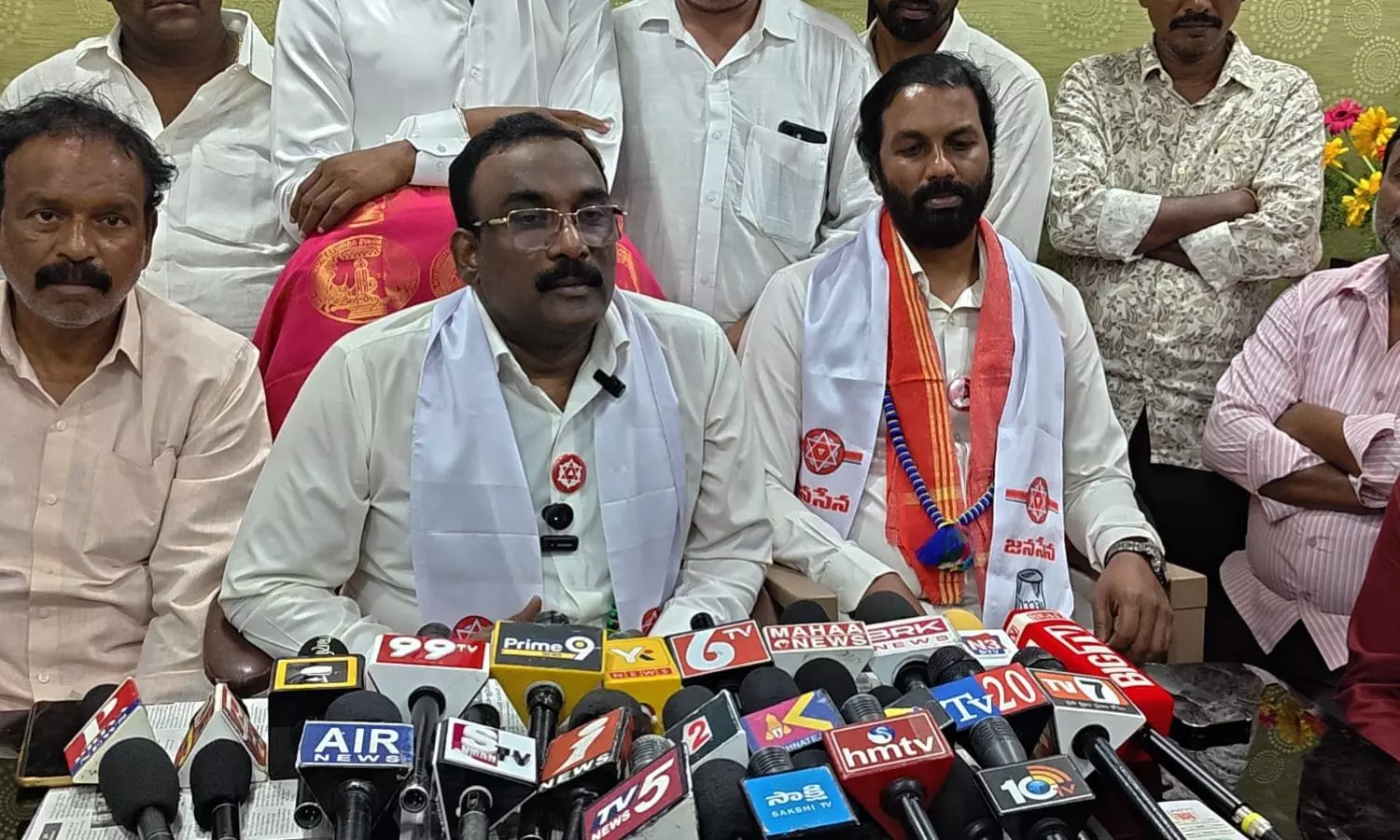
Representative image.
SRIKALAHASTI
Srikalahasti’s absence from the municipal election schedule has left residents facing an uncomfortable question: when will they get an elected council to address the town’s everyday problems?



The temple town’s exclusion from the initial election notification has added another layer of uncertainty to local governance. While municipal elections have been announced in several urban local bodies across Andhra Pradesh, Srikalahasti has been left waiting amid legal complications. The precise case-specific reason for its exclusion and the status of the related proceedings need to be established from official records before drawing a definitive conclusion.
The delay is more than a political issue. For residents, an elected municipal council is the local forum through which ward-level demands can be raised, civic priorities debated and officials held politically accountable. Roads, drainage, sanitation, drinking water, streetlights and management of public spaces remain immediate concerns in a busy pilgrimage centre such as Srikalahasti.
The uncertainty also complicates political calculations. Local leaders and aspiring councillors must wait for clarity on the election timetable, while residents have little certainty about when they can choose their representatives. In a town where pilgrimage-related activity places additional pressure on civic infrastructure, the absence of an elected council can sharpen questions about accountability and public participation.
The wider municipal election process has itself faced legal intervention. In October, the Supreme Court directed the Andhra Pradesh State Election Commission to examine complaints that candidates were obstructed from filing nominations in certain urban local bodies. The commission subsequently revised the nomination arrangements for four bodies. However, those developments do not, by themselves, establish the specific legal reason for Srikalahasti’s exclusion.
The immediate need is clarity from the state government and the election authorities on the pending legal issue, the steps required to resolve it and the likely path towards elections.
For Srikalahasti’s residents, the central concern is simple: legal and administrative hurdles may take time to settle, but the wait for an elected local government should not remain open-ended.
Comments
Be the first to comment on this story.