
El Niño tightens its grip on Rayalaseema, raises alarm over water security
Rayalaseema’s monsoon story this year is not merely about missed showers. It is becoming a warning about the region’s fragile water security, farm economy and ability to withstand extreme weather.
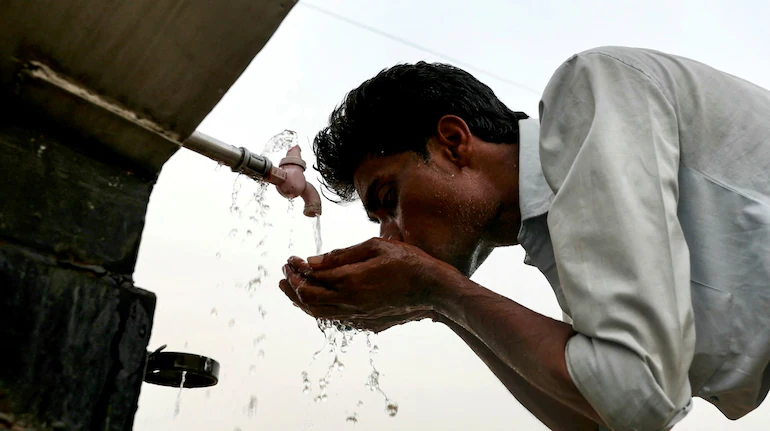
Representative image.
TIRUPATI
Rayalaseema’s monsoon story this year is not merely about missed showers. It is becoming a warning about the region’s fragile water security, farm economy and ability to withstand extreme weather.



The southwest monsoon ended with Andhra Pradesh recording a 29% rainfall deficit, but Rayalaseema bore a sharper blow. Annamayya district recorded a deficit of about 59% between June 1 and September 29, followed by Sri Sathya Sai at 47%, Kadapa at 42% and Tirupati at 43%. Uneven rainfall has left farmers worried about crop yields after dry spells disrupted kharif operations.
The state received 368.1 mm of rain against a normal 521.6 mm during June-September, making it the driest monsoon in 13 years. Experts have linked the shortfall largely to prevailing El Niño conditions, which can alter atmospheric circulation and suppress monsoon rainfall. Concerns that the phenomenon could persist into early 2027 have added to anxieties over heat, groundwater depletion and drinking-water supplies.
The government has declared 388 mandals across 21 districts drought-affected, including several in Rayalaseema, to enable relief and credit support. Yet a declaration alone cannot replenish dried borewells, revive damaged crops or secure the next season.
For a region long dependent on uncertain rains, the crisis raises a larger question: can water planning move beyond emergency tankers and seasonal promises? Strengthening tanks, protecting groundwater, improving micro-irrigation and choosing crops suited to local conditions must become year-round priorities. El Niño may be a global climate phenomenon, but its harshest consequences are felt in Rayalaseema’s fields and rural homes.

Comments
Be the first to comment on this story.